
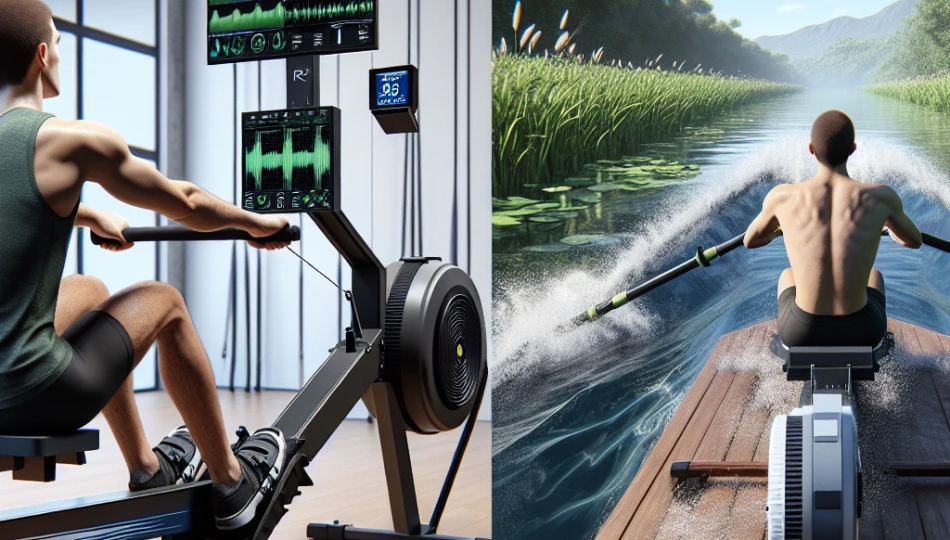
Rowing is a dynamic and rewarding exercise that engages multiple muscle groups, improves cardiovascular fitness, and enhances overall endurance. While many enthusiasts may picture a serene lake or a choppy river when thinking about rowing, the indoor rowing machine has revolutionized how people experience this sport. Today, gym-goers and fitness aficionados are often torn between using indoor rowing machines and opting for outdoor rowing simulators. What are the differences between indoor rowing machines and outdoor rowing simulators? The answer lies in several key factors that differentiate these two types of equipment.
- 1. Environment and Versatility
- Indoor rowing machines are designed for use in a controlled setting, such as a gym or home. They provide a comfortable environment, shielded from the elements, allowing for consistent training regardless of weather conditions. This makes them ideal for individuals who want to maintain their rowing routine year-round or in areas where outdoor conditions may not be conducive to rowing.
- Outdoor rowing simulators, on the other hand, are typically designed to mimic the experience of actual rowing on water. They can take the form of boats fitted with ergometers or other similar systems that allow users to experience the movement of rowing outdoors. The primary advantage here is that users can engage with nature, enjoy fresh air, and develop skills directly related to actual rowing.
The versatility of indoor rowing machines is notable. They offer a variety of resistance types (air, water, magnet) and programmable workouts that cater to different fitness levels and goals. This can include targeted strength training, rehabilitation, or high-intensity interval training. For example, a rowing machine without any additional programming will still allow for personalized workout plans or heart rate training—key aspects that can be critical for serious athletes.
In contrast, outdoor rowing simulators often depend on a body of water and may have fewer technology integrations compared to their indoor counterparts. While they offer a realistic rowing experience, the versatility of workout options might be limited. Users may need to find suitable locations and conditions, which could affect the volume and consistency of their training.
2. User Experience and Comfort
When it comes to user experience, indoor rowing machines usually provide an ergonomic design tailored for comfort. Features such as adjustable footrests, smooth seat glides, and cushioned grips enhance the rowing experience, making it easier to focus on performance without discomfort.
Outdoor rowing simulators may not always offer the same level of comfort. Depending on the type of simulator, the seating may not be as cushioned as indoor machines, potentially leading to prolonged discomfort, especially during longer sessions.
Moreover, indoor rowing machines allow users to engage in their workout in a climate-controlled space, eliminating distractions from weather or insects—both common annoyances when rowing outside. In addition, the adjustable nature of these machines caters to a range of body sizes and fitness levels, making them more accessible for beginners and experienced rowers alike.
If you’re someone who enjoys engaging with technology during workouts, many indoor rowing machines come equipped with digital screens that track progress, provide detailed workout statistics, and even allow for virtual race experiences. This can enhance motivation and add a competitive edge to workouts. In comparison, outdoor simulators generally lack these high-tech features, relying more on the external environment for an immersive experience.
3. Safety Considerations
Safety is a significant factor when evaluating the differences between these two options. Indoor rowing machines provide a safe, controlled environment free from natural hazards. Users don’t have to worry about accidents related to water currents, bad weather, or marine traffic. The risk of injury from falling or capsizing is non-existent, making these machines suitable for those who may be anxious about outdoor rowing conditions.
Outdoor rowing simulators, however, often involve inherent risks associated with being on the water. Even with simulators designed for stability, factors like unexpected waves, changes in wind conditions, or the presence of other watercraft can lead to dangerous situations. Users must also consider outdoor weather elements such as sudden downpours or storms, which can quickly turn a training session into a hazardous endeavor.
Additionally, indoor facilities typically offer space monitoring, amenities such as training staff, and first-aid access, creating an environment where injury prevention is prioritized. Outdoor environments don’t always offer such assurances; therefore, novice rowers may find themselves at a greater risk when navigating unfamiliar waters.
For individuals still keen on outdoor experiences, safety precautions such as life jackets and rowing with a partner are essential, but they might digress from the ultimate enjoyment of the workout.
4. Training Impact and Objective
For rowers interested in specific training goals—be it to improve endurance or enhance their overall strength—indoor rowing machines offer various resistance settings that allow them to dial in their training intensity. Factors such as stroke rate, resistance type, and distance can be adjusted to fit personal objectives, making it a versatile tool for serious fitness enthusiasts.
Outdoor rowing simulators, in contrast, may focus more on skill development related to actual rowing techniques, including the rhythm of strokes against moving water and learning how to handle a boat. While they provide rich learning experiences, outdoor simulators may not necessarily mimic the same physiological workload compared to high-intensity workouts frequently accomplished on indoor machines.
This element is critical for athletes seeking to optimize their performance. Programs available on indoor rowing machines can include strength-building workouts or endurance-based sessions that help train the body for specific rowing events. The functionality of measuring distance, pace, and other metrics contributes significantly to creating a tailored training regimens that can yield quicker progress for dedicated users.
For beginners, however, outdoor simulators can help develop foundational rowing skills in a natural setting. Learning to balance and maneuver a boat prepares novices for the realities of competitive rowing, even if they might sacrifice some immediate benefits found in structured fitness training.
5. Cost and Accessibility
Indoor rowing machines are generally more accessible when it comes to costs. While some premium models exist, there are numerous cost-effective options available that cater to various budgets. These machines can be purchased for home use, eliminating the need for gym memberships if one’s goal is to row consistently. Furthermore, they need minimal maintenance, making them financially attractive in the long run.
In comparison, outdoor rowing simulators can be a more significant investment due to costs associated with purchasing or renting a boat, fees for access to water bodies, and additional equipment like safety gear. Regular use also implies ongoing costs, including maintenance of the equipment and possibly higher insurance premiums.
Accessibility also plays a role in the cost equation. Indoor rowers can be used at any time of day or night, providing flexibility for individuals who have demanding schedules. Many gyms also offer rowing machines, making them accessible without having to invest in personal equipment.
Outdoor rowing typically requires access to a suitable body of water, which may not be available to everyone. Some enthusiasts must travel significant distances to reach lakes or rivers, negating the convenience factor offered by indoor rowing machines. Furthermore, access to proper coaching and training may be more limited in outdoor simulating scenarios, especially in isolated areas.
6. Performance Tracking and Analytics
Indoor rowing machines are often equipped with advanced performance tracking capabilities. Many models come with built-in displays that provide real-time data on critical metrics such as distance, stroke rate, and calorie burn. This information allows users to set specific workout goals and monitor their progress over time. For example, a competitive athlete might track their stroke rate to ensure they maintain optimal intensity while training for an event, while a casual user may focus on calories burned or distance covered during a session.
Outdoor rowing simulators typically lack sophisticated tracking features. While some may offer basic statistics, they do not provide the same level of detailed feedback about workouts. Users might find it challenging to assess their improvement without continuous data, particularly when compared to advanced indoor machines. Additionally, the natural environment can introduce variables—like wind resistance or water currents—making it harder to replicate and evaluate consistent performance metrics.
The ability to track one’s performance is a significant advantage for anyone serious about their fitness journey. By knowing exact figures, athletes can make informed adjustments to their training plans. For instance, if a user notices that their distance covered is decreasing over time, they might reevaluate their workout intensity or technique. This level of introspection is what many athletes require to elevate their fitness game further.
On the other hand, outdoor rowing simulators encourage a different mindset focused more on skill and enjoyment rather than quantified performance. Users may find the lack of metrics liberating, allowing them to enjoy their surroundings and the experience of rowing itself without the pressure of hitting specific numbers. This can make outdoor rowing more appealing for recreational users who prioritize enjoyment over competition.
7. Social Interaction and Community Engagement
One significant aspect of indoor rowing machines is their ability to foster a sense of community, especially in a gym environment. Group classes and team training sessions can enhance motivation and camaraderie. Many rowing studios offer classes with professional instructors who guide participants through challenging workouts, creating a social atmosphere that encourages individuals to push their limits together. This community engagement can be particularly beneficial for those who thrive in group environments.
Outdoor rowing simulators, while appealing for their immersive experience, may not provide the same level of social interactions. Rowing on a lake or river often involves individuals or small groups, which can foster a feeling of solitude rather than community. Furthermore, the logistics of arranging outings on water limit spontaneous group activities. Users may miss out on the shared motivation that comes from working out with others.
Additionally, the indoor rowing community often extends beyond the gym walls, with forums, social media groups, and events catering to rowers seeking advice, challenges, or competition. This is especially prominent in urban areas where access to rowing clubs and organized competitive rowing events is common. These platforms allow individuals to connect, share tips, and celebrate personal achievements, enriching their overall fitness journey.
In contrast, outdoor rowing may involve local clubs or teams, but the limited availability of venues can hinder community participation. Furthermore, the need for coordination between schedules and water access can complicate group trainings, leading to fewer opportunities for social engagement. While enthusiasts may enjoy the beauty of the outdoors alone, they may sometimes long for the vibrant support system found in indoor gyms.
Frequently Asked Questions
1. Can I get the same workout benefits from both indoor rowing machines and outdoor rowing simulators?
While both indoor rowing machines and outdoor rowing simulators offer great workout benefits, they emphasize different aspects of training. Indoor rowers provide controlled resistance and metrics that can help users focus on specific fitness goals like endurance or strength. Outdoor rowing simulators emphasize skill development and can enhance experience in an actual rowing context. Combining both types in a balanced fitness regimen can create a well-rounded rowing experience.
2. Are there specific health benefits associated with indoor rowing machines?
Indoor rowing machines provide a full-body workout that engages multiple muscle groups, aiding in muscle toning and cardiovascular health. The low-impact nature of rowing reduces stress on the joints while still delivering an excellent aerobic workout. Regular use can enhance overall endurance, increase lung capacity, and contribute to significant calorie burning, making it an effective option for weight management.
3. What types of resistance are available in indoor rowing machines? Which is best for beginners?
Indoor rowing machines typically offer three types of resistance: air, water, and magnetic. Air resistance machines provide a dynamic rowing experience where resistance increases with effort, ideal for high-intensity workouts. Water resistance rowers mimic the feel of rowing on water, offering a smooth performance that many users enjoy. Magnetic rowers allow for quieter operation and customizable resistance levels, making them easy to adjust, which can be beneficial for beginners looking for a gentler introduction.
4. How do I choose between an indoor rowing machine and an outdoor rowing simulator for my training needs?
Choosing between the two options depends on your fitness goals, preferences, and access to resources. If your primary objective is structured fitness training year-round, indoor rowing machines might be the better choice due to their versatility and stability. Conversely, if you wish to experience the joy of rowing in nature and develop actual rowing skills, outdoor simulators would suit your needs. Assessing your priorities—such as safety, community engagement, or performance tracking – will help in making the right decision.
5. Is it possible to combine indoor rowing with outdoor rowing effectively?
Absolutely! Many athletes and fitness enthusiasts find that integrating both indoor rowing and outdoor rowing greatly enhances their overall performance and enjoyment. Indoor rowing can be used to build strength, stamina, and technique without the challenges of outdoor environments. Meanwhile, outdoor rowing can refine skills such as balance and navigation while providing a refreshing change of pace. With careful planning, individuals can create a balanced routine that allows them to enjoy the benefits of both modalities.
6. What maintenance is required for indoor rowing machines?
Maintaining an indoor rowing machine is relatively simple and involves basic upkeep to ensure longevity. Regular checks should include inspecting the rowing chain for wear and lubrication, cleaning the machine to prevent dust buildup, and checking the display screen for proper function. Depending on the model, you may need to replace parts like the seat wheels or foot straps every so often. Generally, indoor machines require less maintenance than outdoor rowing equipment due to their static nature.
7. Can beginners use indoor rowing machines effectively?
Indoor rowing machines are user-friendly and can accommodate beginners with adjustable settings to modify resistance and pace. Most come with instructional guides or built-in programs to help new users get started. Additionally, many gyms offer introductory classes to teach beginners proper rowing techniques and form. With a focus on safety and comfort, beginners can ease into rowing without feeling intimidated or overwhelmed.
Summing It Up
The choice between indoor rowing machines and outdoor rowing simulators hinges on various personal preferences and fitness objectives. Indoor machines offer the comforts of a controlled environment, advanced performance tracking, and community engagement, while outdoor simulators provide a unique experience that connects users with nature and hones actual rowing skills. Cost and accessibility also play crucial roles in determining which option best suits individual lifestyles.
While indoor rowing is ideal for structured, metrics-driven workouts, outdoor rowing serves well for those seeking enjoyment and skill enhancement. Many rowers find that engaging with both environments can offer a balanced and fulfilling approach, ensuring physical fitness and skill development while enjoying the best of both worlds. Regardless of the choice made, both rowing types contribute positively to health, fitness, and personal enjoyment.