
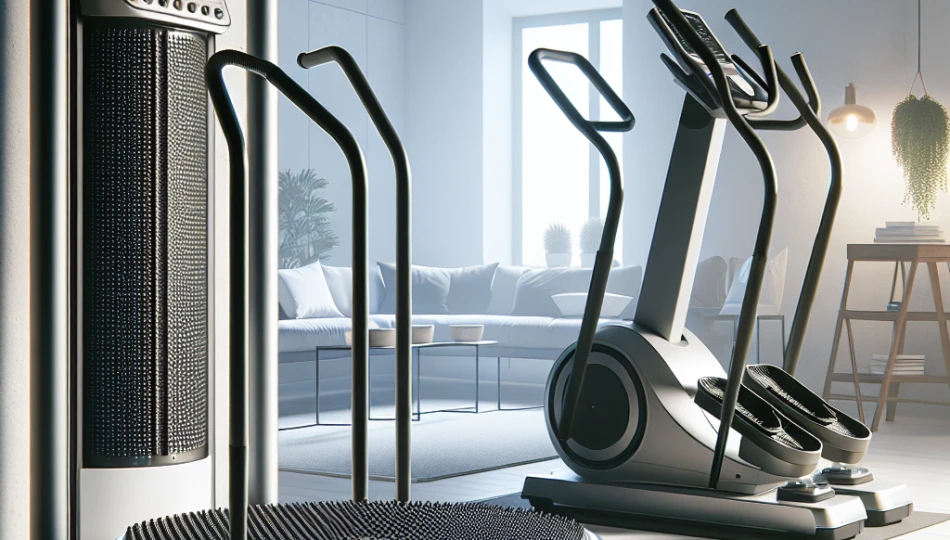
When it comes to low-impact exercise, fitness enthusiasts often find themselves weighing their options between different types of equipment and routines. Among the most popular choices are vibration plates and ellipticals. Both offer unique benefits, but how do they stack up against each other? In this article, we will delve into the question: How does a vibration plate compare to an elliptical for low-impact exercise? The answer is that both provide effective low-impact workouts, but they achieve this in different ways and may serve varied fitness goals.
1. Mechanics of Movement
The mechanics of how each machine operates is fundamental in understanding their effectiveness and suitability for low-impact exercise. An elliptical machine allows you to simulate walking or running but with reduced impact on the joints. The pedals move in an oval (or elliptical) path, which is inherently gentler on the knees and hips compared to traditional running or jogging.
- The foot pedals are designed to replicate a natural gait.
- The handlebars provide additional support, encouraging a full-body workout.
On the other hand, a vibration plate utilizes high-frequency vibrations to stimulate muscle contractions. While standing, sitting, or performing exercises on the plate, every vibration causes the muscles to contract and relax quickly. This can help enhance balance and improve core strength with minimal joint stress.
- Works on muscle activation at a cellular level.
- Offers flexibility in exercise positions, from standing to lying down.
2. Caloric Burn and Efficiency
Caloric burn is often a major factor for those choosing a workout routine. Traditional elliptical workouts tend to be more predictable; users can track their heart rates and adjust their intensity levels accordingly. Many elliptical machines also feature built-in programs that target calorie burn.
- On average, a moderate-speed session on an elliptical can burn around 300-400 calories in 30 minutes.
- Burning more calories is possible by increasing resistance and intensity.
Conversely, vibration plates may provide surprising efficiency in calorie burning despite a more passive approach. Studies indicate that a 15-minute session on a vibration plate can yield a comparable caloric burn to a longer, traditional workout. The continuous vibrations stimulate the muscles intensely, often leading to an elevated metabolic rate for hours after the exercise session.
- Activated muscles use energy, thus burning calories even after use.
- Shorter workout sessions can still be effective with consistent use.
3. Joint Impact and Safety
Considering joint health is crucial, especially for those with prior injuries or chronic pain conditions. The elliptical is typically very joint-friendly, offering smooth movements that do not strain the knees, hips, or ankles. The platform allows users to control the intensity of their workout, making it effective and safe for various fitness levels.
- Non-weight bearing, which reduces injury risk.
- Designed for continuous motion to prevent jarring impacts.
In contrast, vibration plates, while low-impact, might not be ideal for everyone. The vibrations can cause discomfort or exacerbate certain conditions, such as those affecting the spine or joints. Users should start slowly and consult with a healthcare professional, especially if they have existing health issues.
- Should be used cautiously if you have pain or discomfort in joints.
- Always ensure a proper stance to avoid any adverse effects.
4. Versatility of Exercises
Owing to their design, ellipticals lend themselves to cardiovascular workouts. With both upper and lower body engagement, these machines are great for maintaining heart health and overall fitness. Users can also switch up their routines to target different muscle groups.
- Variety of resistance levels and incline settings allow for customizable workouts.
- Great for interval training, as you can alternate between high and low-intensity periods.
Vibration plates provide even more versatility. In addition to standing still, users can perform numerous exercises on them, including squats, lunges, and push-ups. The vibrations while doing these exercises can enhance muscle engagement and improve overall strength.
- Can be used for rehabilitation and toning exercises.
- Great for increasing flexibility and enhancing muscle recovery.
5. Accessibility and Ease of Use
Ease of use can greatly influence workout adherence, and in this area, ellipticals often have the upper hand. They are straightforward to use, with clear settings and a focus on aerobic activity. Users simply need to hop on and start pedaling, making them friendly for beginners.
- Intuitive controls typically guiding you through different settings.
- Configurations for various fitness levels—importantly suited for all ages.
Vibration plates may require a bit of learning, especially for beginners. Users must familiarize themselves with different positions, exercises, and how to maintain their balance during use. However, once mastered, they can be equally as easy to use.
- Instructions often come with the device, guiding proper usage.
- Offer unique exercise variations that can keep workouts engaging.
6. Cost and Investment
When considering equipment for home use, the cost can vary significantly between an elliptical and a vibration plate. Ellipticals can range widely in price, from affordable, basic models to more advanced, feature-rich machines. The investment can yield excellent results for overall fitness and cardiovascular health.
- Generally, expect to spend between $300 and $2,000.
- Maintenance is typically minimal, making it a long-term investment.
Conversely, vibration plates also show a range in pricing. However, they can be found at lower price points than most ellipticals. It is essential to consider that while some cheaper models can suffice for basic use, investing in a high-quality vibration plate can offer better durability and effectiveness.
- Prices may range from $100 to $1,500 based on quality and brand.
- Consider features like stability and motor power before purchasing.
7. User Experience and Enjoyment
User experience can make or break a workout routine. Ellipticals often provide a more traditional workout feeling, allowing users to watch TV or listen to music while keeping active. Many models feature incorporated screens that can run workouts or display fitness statistics for motivation.
- Interactive options can enhance the experience and keep users engaged.
- Many models support multiple users, tailoring settings to personal preferences.
In comparison, vibration plates offer a different experience. The unique feel of vibrating during workouts can be fun and novel for many users. This novelty can increase user adherence in the long run, especially for those who dislike traditional exercise modalities.
- Can create an engaging atmosphere for group workouts if utilized in classes.
- Different vibrations can be customized for various workout efforts.
Additional Considerations: Which is Right for You?
Choosing between a vibration plate and an elliptical can be a personal decision that largely depends on individual fitness objectives, preferences, and any existing health considerations. Let’s delve deeper into factors you may want to consider when deciding which machine is best for your workout routine.
Goals and Objectives
If your primary goal is to improve cardiovascular fitness, then an elliptical may be the right choice for you. Ellipticals are excellent for raising your heart rate and improving endurance. They also allow for varying intensity levels, which can contribute to progress over time. For those focused on weight loss, the ability to customize the intensity through resistance and incline adjustments gives the elliptical an edge.
In contrast, if your goals include building muscle strength and enhancing flexibility, a vibration plate could provide a more suitable option. The vibrations stimulate muscle engagement without high impact, making them a fantastic choice for toning and rehabilitation. Many users find that incorporating vibration plate workouts into their routine, even for just a few minutes daily, can lead to noticeable improvements in strength and flexibility.
Physical Limitations or Injuries
For individuals with existing injuries or joint pains, an elliptical might be the safer option. It allows for smooth, controlled movements that minimize stress on the body, compared to vibration plates, which can be uncomfortable for some. Users can still engage in effective workouts while avoiding jarring motions, making it especially beneficial for those recovering from injuries or with arthritis in the knees or hips.
On the other hand, vibration plates have their benefits as well. They can be great for core strengthening and rehabilitation. However, it’s essential to approach them cautiously. Those with back or joint issues should consult with a healthcare provider before using a vibration plate to avoid exacerbating any conditions.
Workout Environment
Another significant consideration is your workout environment. If you prefer exercising at home or in a compact space, both machines can usually accommodate limited areas, but vibration plates are generally smaller and more portable. This makes them ideal for those who may want to store equipment when not in use.
However, for the gym-goer who enjoys group classes and the motivation that comes from exercising alongside others, ellipticals may provide more opportunities. Many gyms have a variety of ellipticals with specialized features that can further enhance the communal workout experience.
Frequently Asked Questions
1. Can I achieve a similar fitness level with both machines?
While both machines contribute to fitness, the outcomes can differ based on how you use them. Using an elliptical can help you build cardiovascular endurance and can lead to effective weight loss when combined with a good diet. The progressive resistance settings and variation in workout styles can enhance your overall fitness. With vibration plates, while they can help improve muscle tone and provide certain health benefits, you might not achieve the same level of cardiovascular fitness as with an elliptical. Therefore, the choice ultimately depends on your fitness goals.
2. How often should I use these machines for optimal results?
For optimal results, it is generally recommended to use both machines several times a week, depending on your fitness level. Many fitness experts suggest aiming for at least 150 minutes of moderate-intensity cardiovascular exercise weekly, which can include sessions on an elliptical. As for vibration plates, using them two to three times a week for about 15–30 minutes can provide significant benefits without over-exerting your muscles.
However, it’s essential to listen to your body and adjust frequency based on individual needs and recovery ability. Balancing both types of workouts can prevent overuse and promote better overall fitness.
3. Are vibration plates suitable for all ages?
Vibration plates can be suitable for various age groups, but their use often requires caution—especially for older adults. Many seniors appreciate the benefits these plates offer in improving strength and flexibility without impacting the joints. However, it’s crucial that older users, especially those with osteoporosis or balance issues, consult a healthcare practitioner before starting.
For younger individuals, vibration plates can also be beneficial. They can be incorporated into fun workouts that not only build strength but also enhance skills like balance and coordination.
4. How long does it take to see results from using a vibration plate?
Results from using a vibration plate can be observed quite quickly, especially if combined with a proper diet and other forms of exercise. Many users report feeling improved muscle tone and strength after just a few weeks of consistent use. Those using vibration plates for rehabilitation or therapeutic purposes have often noted benefits such as increased mobility and reduced discomfort fairly quickly.
However, realistic expectations are essential. While a few sessions can make a difference in how your body feels, significant changes in strength or muscle definition generally require regular use over a more extended period.
5. Is it important to warm up before using these machines?
Yes, warming up is crucial before using either a vibration plate or an elliptical. A proper warm-up can help prevent injuries and prepare your muscles for the workout ahead. For an elliptical, begin with a gradual increase in resistance and pace to get your heart rate up and loosen your muscles.
On a vibration plate, warming up can involve light stretches or simple exercises off the machine to prepare your body for the vibrations. Incorporating a warm-up routine helps ensure that you get the most out of your workouts while minimizing the risk of strains or discomfort.
6. Can I combine both types of exercises in my routine?
Absolutely! Incorporating both vibration plate and elliptical workouts into your fitness regimen can be an excellent way to ensure a balanced approach to health. The synergy of different types of movement allows you to target various muscle groups and maintain cardiovascular health while also enhancing strength and flexibility. For instance, you might choose to use the elliptical on certain days for endurance work and the vibration plate on alternate days for strength training and recovery.
This combination can help keep your workouts diverse and engaging, making it easier to stick to a long-term fitness plan.
Summing It Up
In summary, both vibration plates and ellipticals offer effective solutions for low-impact exercise, each with distinct benefits that cater to various fitness goals. If cardiovascular fitness, calorie burning, and endurance are your primary objectives, the elliptical might be your best bet. Conversely, if you’re looking to enhance strength, flexibility, and muscle tone with low impact, a vibration plate can provide significant advantages.
Ultimately, the best choice depends on individual preferences, fitness objectives, physical conditions, and the kind of workout environment you thrive in. Consider combining both styles to diversify your workouts and achieve a balanced fitness regimen. By understanding the advantages and disadvantages of each, you can make an informed decision that aligns with your personal health and fitness journey.