
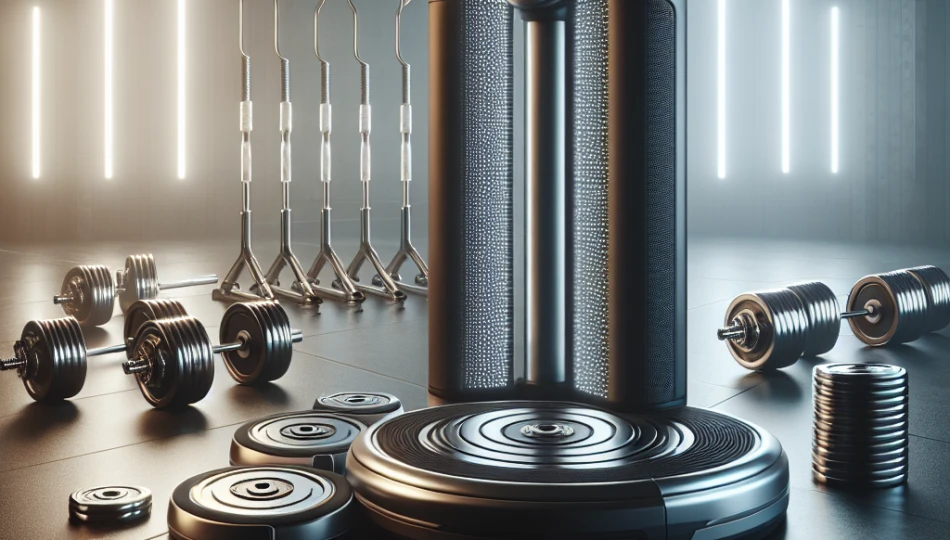
Fitness enthusiasts and health-conscious individuals often seek effective workout methods that yield substantial results in minimal time. Among the myriad of options available, vibration plates and traditional weightlifting consistently emerge as popular choices. Both have their unique advantages and appeal, but many people find themselves wondering: How do vibration plates compare to traditional weightlifting? In essence, vibration plates offer a low-impact alternative that engages muscles through rapid oscillations, while traditional weightlifting focuses on resistance training to build muscle strength. This article explores six key aspects that differentiate these two fitness approaches, helping you make an informed decision on which method might be more suitable for your fitness goals.
1. Muscle Engagement and Activation
One of the most significant differences between vibration plates and traditional weightlifting is how each method activates muscle fibers. Traditional weightlifting primarily relies on heavy weights to stimulate hypertrophy, or muscle growth, by creating tension in the muscles. In contrast, vibration plates stimulate muscles through high-frequency vibrations, causing rapid contractions that can engage a higher percentage of muscle fibers in a shorter period.
- Weightlifting: When lifting weights, your muscles are subjected to a specific level of resistance that leads to micro-tears in muscle fibers. This process promotes muscle repair and growth during recovery.
- Vibration Plates: The vibrations target both fast-twitch and slow-twitch muscle fibers, giving users a comprehensive workout by enhancing muscle activation. This can potentially lead to increased strength and coordination.
This difference in muscle engagement might make vibration plates appealing to beginners or those looking for a low-impact alternative to harsher weightlifting routines. Studies have suggested that individuals using vibration plates can experience similar muscle benefits to those achieved through conventional strength training, especially in terms of balance and stability.
2. Impact on Joints and Injury Risk
For many individuals, joint concerns and injury risks are paramount when considering workout options. Traditional weightlifting can sometimes place excessive strain on the joints, particularly if exercises are not performed with proper form or if excessive weights are lifted. Over time, this can lead to injuries such as tendonitis or stress fractures.
- Weightlifting: While beneficial for building strength and muscle, poor technique, or lifting weights that are too heavy can lead to long-term joint problems.
- Vibration Plates: These machines provide a low-impact alternative that reduces joint stress. The vibrations can help increase blood flow to the joints, promoting healing and mitigating pain.
As a result, vibration plates are often recommended for individuals recovering from injuries, those with pre-existing joint conditions, or older adults looking for safer exercise options. The minimized impact enables customers to achieve fitness goals without enduring the typical risks associated with traditional weightlifting.
3. Workout Efficiency
When time is a factor, workout efficiency becomes increasingly important. Traditional weightlifting routines can be time-consuming, often requiring warm-ups, multiple sets, and adequate rest periods between exercises. Conversely, vibration plates can deliver a comprehensive workout in significantly less time.
- Weightlifting: A standard weightlifting session might last anywhere from 45 minutes to a couple of hours, depending on the number of exercises performed and the intensity of the workout.
- Vibration Plates: Most workouts on a vibration plate can be effective within just 10 to 30 minutes, making them perfect for busy individuals looking to maximize results efficiently.
This efficiency can enable users to balance exercise with their schedules, making vibration plates an excellent choice for those with limited time. Additionally, shorter workout durations may lead to greater consistency in exercise, as individuals are more likely to commit to quick sessions.
4. Weight Loss and Body Composition
Both vibration plates and traditional weightlifting can contribute to weight loss and improved body composition, but they achieve these effects through different mechanisms. Traditional weightlifting is primarily focused on increasing muscle mass, which may subsequently boost the basal metabolic rate, facilitating long-term fat loss. In contrast, vibration plates provide a unique approach.
- Weightlifting: Resistance training is integral to boosting muscle mass, ultimately leading to enhanced caloric burn even at rest. This creates a sustainable weight loss effect over time.
- Vibration Plates: These devices can promote fat loss via increased muscle engagement and improved circulation, alongside fostering better hormonal balance that can aid in weight management.
Users might observe immediate changes in body composition through increased muscle toning and fat reduction when incorporating vibration plates into their routines. This makes them appealing for those seeking rapid aesthetic results alongside overall health benefits.
5. Accessibility and Ease of Use
Considering the accessibility and ease of use is crucial when evaluating fitness routines. Traditional weightlifting typically requires specific equipment, such as free weights, benches, or machines, and often demands a certain level of knowledge on proper techniques for safety and effectiveness.
- Weightlifting: Beginners may need guidance from trainers, which can add to the learning curve and initial barriers to entry, especially for those unfamiliar with gym environments.
- Vibration Plates: These machines are often user-friendly and come with clear instructions, making them suitable for individuals of all fitness levels. A few minutes of instruction can get users started efficiently.
The straightforward nature of vibration plates can attract first-time exercisers who may feel intimidated by traditional weightlifting routines, thus potentially leading to higher adherence to fitness regimens. This ease of use supports consistency, a critical component for achieving fitness goals.
6. Cost and Space Considerations
When investing in fitness, both cost and space must be taken into account. Traditional weightlifting requires equipment purchases, such as weights, benches, or gym memberships, which can accumulate significantly over time. In comparison, vibration plates offer an attractive option for home workouts in terms of both financial investment and space management.
- Weightlifting: Setting up a home gym can be costly, particularly when purchasing a wide range of weights and benches. Furthermore, one needs sufficient space to store and use this equipment effectively.
- Vibration Plates: Although some models can be pricey, they still often cost less than a full set of weights. They require minimal space, making them suitable for apartments or small living areas.
This affordability, along with their compact design, makes vibration plates an appealing option for beginners and those who prefer to work out at home. Investing in a vibration plate can be a long-term solution for maintaining an active lifestyle without the continual expenses associated with traditional weightlifting.
Broader Health Benefits
While both vibration plates and traditional weightlifting contribute to improved physical fitness, they also offer broader health benefits that extend beyond muscle strength and physical appearance. It’s essential to consider how each method impacts overall health, including cardiovascular health, metabolism, and mental well-being.
Vibration Plates and Overall Health
Vibration plates are not just about building muscle; they also improve circulation and cardiovascular health. The vibrations encourage blood flow, which can enhance oxygen delivery to muscles and organs, leading to better overall health outcomes. Enhanced circulation can help reduce the risk of conditions such as hypertension and cardiovascular disease.
Furthermore, vibration training has been linked to improvements in metabolic rate and hormonal balance. Research suggests that the use of vibration plates can support hormone regulation, including those related to stress and growth, which can positively impact weight management and mental health. Users often report feeling invigorated and uplifted after a session on the vibration plate, making it not only a physical workout but also a boost to mental clarity and well-being.
Traditional Weightlifting and Holistic Fitness
Traditional weightlifting, on the other hand, offers unique holistic benefits. Engaging in resistance training consistently can lead to stronger bones, improved joint stability, and increased overall functional strength, which is crucial for everyday activities. Increased bone density is particularly important for aging individuals who are at a higher risk for osteoporosis.
Moreover, weightlifting has been linked to improved mental health outcomes as well. Engaging in regular resistance training can reduce symptoms of anxiety and depression by promoting the release of endorphins, often referred to as “feel-good” hormones. Many weightlifters report improved mood and enhanced cognitive function as a result of their training, making it a dual benefit for both body and mind.
Integration into a Fitness Routine
When choosing between vibration plates and traditional weightlifting, consider how each method can fit into your overall fitness routine. Both can complement each other when used strategically, providing a well-rounded approach to health and fitness.
Combining Approaches for Optimal Results
Many fitness enthusiasts have found success by integrating vibration plates into their existing weightlifting routines to enhance results. For instance, a traditional weightlifting session could be paired with a few minutes of vibration plate exercises to activate muscles further and promote recovery. The combination allows for a diverse workout that challenges the body in various ways, improving both muscle engagement and recovery.
This integration does not mean one method is superior to the other; rather, it highlights the strengths of each approach. By alternating between or combining vibration training and traditional resistance training, individuals can maximize benefits such as muscle growth, stability, and cardiovascular health, catering to personal fitness goals and preferences.
Frequently Asked Questions
1. Can I lose weight using vibration plates?
Yes, vibration plates can aid in weight loss when incorporated into a balanced fitness and diet regimen. While they may not burn as many calories as traditional weightlifting, they promote muscle engagement and improve circulation, which can contribute to fat loss. Using these plates regularly while maintaining a healthy diet can result in weight loss and improved body composition as the vibrations enhance muscle tone and metabolic rate.
2. Are vibration plates suitable for everyone?
Vibration plates can be suitable for various fitness levels, including beginners and those recovering from injuries. However, individuals with certain medical conditions, such as pregnancy or severe cardiovascular issues, should consult a healthcare provider before use. It’s essential to understand personal limits and ensure safety while utilizing vibration technology.
3. How often should I use vibration plates for the best results?
For optimal results, it’s generally recommended to use vibration plates 2-3 times a week. Each session can range from 10 to 30 minutes, depending on your fitness level and goals. Incorporating them into a routine that includes other forms of exercise—like cardio or weightlifting—can maximize benefits and maintain engagement.
4. Can traditional weightlifting lead to injuries?
While traditional weightlifting offers numerous benefits, it does come with a risk of injury, particularly if exercises are performed with improper form or excessive weight. To minimize the risk, it’s crucial to learn proper techniques, start with manageable weights, and consider working with a trainer when beginning a new routine. Proper warm-up and cooldown sessions can also help reduce the likelihood of injuries.
5. Can I build muscle using vibration plates alone?
While vibration plates can enhance muscle activation and contribute to strength improvements, they are generally not as effective as traditional weightlifting for significant muscle hypertrophy. For those focused on substantial muscle gain, incorporating traditional resistance training into their regimen alongside vibration plate workouts is advisable for optimal muscle growth.
6. Is it better to use both methods together?
Combining both vibration plates and traditional weightlifting into a comprehensive fitness routine can be advantageous. Vibration plates can be used to warm up muscles or aid in recovery post-lifting, while weightlifting builds substantial muscle mass. This blend allows for a balanced approach that leverages the benefits of both methods to enhance overall fitness and health.
7. What should I look for in a vibration plate?
When choosing a vibration plate, consider factors such as the power output (measured in watts), the stability of the machine, the available speed settings, and additional features like built-in programs or Bluetooth connectivity. It’s also important to read user reviews and ensure the machine is of good quality and suitable for your personal fitness goals.
Summing It Up
In conclusion, the comparison between vibration plates and traditional weightlifting reveals that each method offers unique benefits tailored to different fitness needs and preferences. Vibration plates provide a low-impact, efficient workout option, ideal for those with joint concerns or time constraints, while traditional weightlifting focuses on building strength and muscle mass, promoting long-term health benefits.
Understanding your personal fitness goals, physical condition, and preferences is crucial in deciding between the two methods—or whether to use them in conjunction. Ultimately, both vibration plates and traditional weightlifting can play significant roles in your fitness journey, empowering you to achieve your goals while enhancing both health and wellness.