
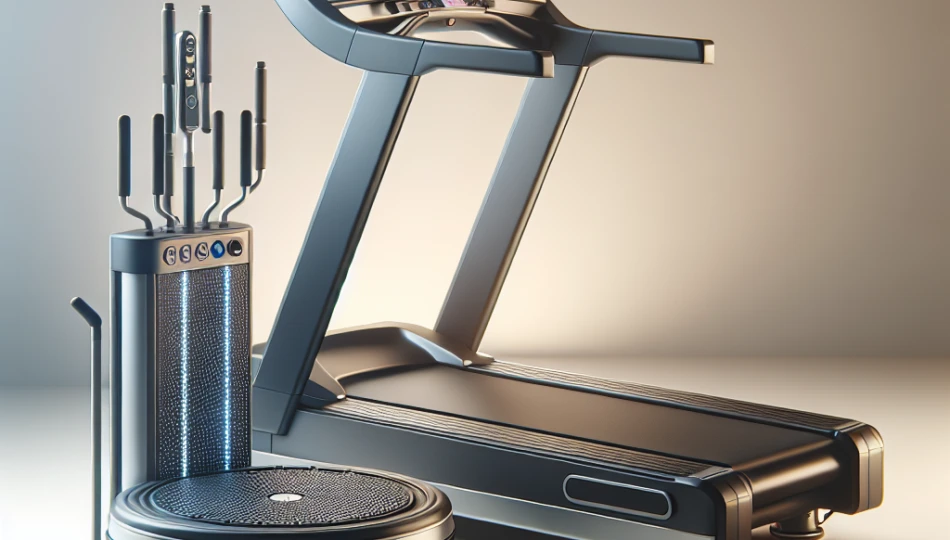
When it comes to weight loss and fitness, the choice of equipment can play a significant role in achieving your goals. Many individuals find themselves torn between various options, including a vibration plate and a treadmill. Each tool claims to offer unique benefits, leading to the crucial question: What’s better for weight loss: a vibration plate or a treadmill? In short, the treadmill tends to be more effective for traditional cardio and calorie burning, while a vibration plate can complement your workouts by enhancing muscle activation. However, the ultimate choice depends on your specific fitness goals and preferences.
1. Calorie Burn Efficiency
The primary objective of any weight loss program is to burn calories, and how effectively you can do this depends on the exercise method you choose. Treadmills generally offer a higher calorie burn due to the intensity of activities performed on them. Running or brisk walking engages multiple muscle groups and requires significant energy expenditure. Studies suggest that a rigorous 30-minute treadmill workout can burn anywhere from 300 to 600 calories, depending on factors such as weight, speed, and incline.
- Treadmills allow for high-intensity interval training (HIIT), which maximizes calorie burn in a shorter period.
- Running on a treadmill simulates real-world movements, enhancing cardiovascular fitness and stamina.
- It’s easier to adjust speed and incline, allowing for a customized workout that can increase overall caloric expenditure.
In contrast, a vibration plate’s caloric burn is generally lower. While standing on a vibrating surface can activate your muscles, the exercise intensity is relatively mild compared to running. A typical 30-minute session on a vibration plate might burn around 100 to 200 calories. The emphasis here is more on strengthening and toning rather than aerobic capacity.
2. Muscle Activation and Strength Training
A significant advantage of a vibration plate is its ability to trigger rapid muscle contractions. When you stand on a vibrating platform, the vibrations cause your muscles to respond more quickly, resulting in increased muscle activation. This can be particularly advantageous for strength training, rehabilitation, and improving overall muscle tone. Exercises like squats, lunges, and planks performed on a vibration plate can enhance muscle engagement compared to traditional workouts.
- The vibrations stimulate muscle fibers, leading to greater recruitment of both slow-twitch and fast-twitch muscle fibers.
- It can be particularly beneficial for people recovering from injuries or for seniors looking to maintain strength.
- Shorter workout sessions with vibration plates can still yield substantial strength benefits.
However, while vibration plates are great for muscle activation, they don’t replace traditional weightlifting or resistance training. Treadmills, on the other hand, do not provide direct strength training but can be coupled with weights or resistance bands to enhance muscle development. Therefore, individuals looking to both lose weight and build muscle may find a treadmill more versatile in achieving a balanced workout regimen.
3. Joint Impact and Safety
For those who suffer from joint issues or are concerned about the impact of high-impact exercises, the choice becomes more nuanced. Treadmills can be hard on the joints, especially when running on a hard surface. However, many modern treadmills come equipped with cushioning systems designed to minimize impact, making them more joint-friendly.
- Walking or jogging on a treadmill can be adjusted for lower impact, reducing stress on knees and ankles.
- Incline settings allow workouts to be modified without increasing speed, which can help protect joints.
- Using proper footwear and maintaining good form are essential to prevent injury during treadmill workouts.
In contrast, using a vibration plate generally presents a low-impact exercise option. The vibrations can create a sense of weightlessness, reducing strain on the joints while still allowing for muscle engagement. This makes it a suitable choice for people with arthritis or those who wish to ease into exercise without risking injury. Ultimately, the decision should boil down to your current fitness level and any pre-existing conditions.
4. Time Efficiency
In our busy lives, time is often a critical factor in our fitness choices. Treadmills allow for quick workouts that can be adapted to the time available. A person can complete an effective HIIT workout in just 20 to 30 minutes, burning significant calories in a short amount of time. This makes treadmills particularly appealing for those with tight schedules.
- High-intensity workouts can maximize fat loss in shorter periods.
- With the option of interval training, diverse routines can be created to keep workouts engaging.
- Fast-paced sessions on a treadmill can be easily tailored to fit your schedule.
While vibration plates do offer the advantage of shorter workout sessions accompanied by increased muscle activation, they may still require a longer duration to achieve an equivalent cardiovascular benefit. A 15-20 minute session on a vibration plate could yield good muscle engagement, but may not provide the same intensity of calorie burn as a treadmill workout. Therefore, if time is of the essence, treadmills might have the upper hand due to their potential for rapid calorie burning.
5. Versatility and Workout Variety
When considering fitness equipment, versatility is a pivotal aspect. Treadmills are inherently versatile, accommodating various workout styles including walking, jogging, running, and incline training. You can also combine treadmill exercises with other fitness equipment such as resistance bands, dumbbells, or even a jump rope for a comprehensive workout.
- The ease of adaptability allows users to switch routines, keeping exercises fresh and exciting.
- Most treadmills come with pre-set programs that cater to different fitness levels.
- Multi-function treadmills with features like incline training add another layer of variety.
On the other hand, vibration plates primarily focus on activated muscle groups and are less versatile in terms of cardiovascular conditioning. While they can be used for various exercises like squats and stretches, the movements performed are limited compared to the wide range offered by treadmills. This may impact the overall effectiveness of the workout for those seeking to incorporate cardiovascular health and enhanced muscle strength into their routines. For those committed to well-rounded fitness, treadmills genuinely rival vibration plates in versatility.
The Role of Motivation in Fitness Choices
Despite the differences between vibration plates and treadmills, the key to successful weight loss is often rooted in motivation and personal preference. Choosing the right equipment that aligns with your interests can significantly enhance your commitment to regular exercise. People are more likely to stick to their routines if they enjoy the workouts they are performing.
For those who find joy in traditional cardio workouts, the treadmill is ideal. Its adaptability allows individuals to vary their pace and incline, leading to a more engaging workout. Features such as built-in workout programs and virtual trails can further enhance the experience, making it feel less like a chore and more like a fun activity. On the other hand, individuals who may not typically enjoy conventional activities might flourish with the vibration plate, which offers a unique method of engagement that includes strength training while standing or gently moving, making it an innovative approach for some.
Furthermore, motivation can also stem from community involvement. Many gyms offer classes using both treadmills and vibration plates. Being part of a group can foster a sense of accountability and motivation. Group classes often provide encouragement, helping participants push past their limits, which can be particularly beneficial, especially for those new to fitness or struggling with motivation.
The Importance of Complementary Nutrition
Choosing between a treadmill and a vibration plate should not solely hinge on exercise alone. Nutrition plays an equally crucial role in any weight loss journey. Effective weight loss is achieved through a combination of consistent exercise and proper dietary choices. Regardless of the equipment you choose, caloric intake must be managed to facilitate fat loss.
For individuals opting for a treadmill workout, the high calorie burn can often create a false sense of security regarding dietary habits. Many people mistakenly believe that burning a few hundred calories at the gym allows for indulgent eating afterward. However, weight loss success comes from creating a caloric deficit, meaning the calories consumed must be fewer than those burned. A balanced diet, rich in whole foods, lean proteins, vegetables, and healthy fats is essential regardless of the chosen workout equipment.
Conversely, vibration plate workouts, while not as calorie-intensive, can still benefit from the right nutritional support. Due to their focus on muscle toning, supplements rich in protein can help individuals build and repair muscle tissue more effectively. Maintaining healthy eating habits while using a vibration plate can help individuals maximize the power of their workouts, enabling them to tone their muscles and see visible results over time.
Physical and Health Considerations
Before making a decision between a vibration plate and a treadmill, it’s vital to assess any physical conditions or concerns that may affect your choice of exercise. Issues like joint pain, previous injuries, or certain medical conditions can play a significant role in determining the most suitable equipment for you.
For example, individuals with knee or ankle problems may find that a treadmill, even with cushioning, can aggravate their conditions. Conversely, a vibration plate offers a gentler form of exercise that reduces impact, providing a low-impact option that can still offer significant muscle activation. This makes vibration plates ideal for older adults or individuals recovering from injuries who want to maintain fitness without the risk of exacerbating their issues.
It’s also important to consult a healthcare professional or a certified trainer when deciding on an exercise regimen, particularly if you have pre-existing health concerns or are just starting your fitness journey. They can provide tailored recommendations that align with your specific health needs, ensuring a safe and effective approach to weight loss.
Frequently Asked Questions
1. Can you lose weight using a vibration plate?
Yes, you can lose weight using a vibration plate, but it’s important to understand that it works best as a complementary tool rather than a standalone solution. While vibration plates can activate muscles and promote toning, their calorie-burning potential is lower compared to more traditional cardio methods like running on a treadmill. For effective weight loss, combine vibration plate workouts with a balanced diet and other forms of cardio or resistance training for optimal results.
2. How long should I use a vibration plate for weight loss results?
For effective weight loss results using a vibration plate, experts recommend sessions of around 10 to 30 minutes. Beginners may start with shorter durations, gradually increasing over time as their comfort and stamina improve. It’s also beneficial to use vibration plates in conjunction with exercises that engage different muscle groups to maximize results. As with any exercise routine, consistency is key to seeing long-term changes.
3. Are vibration plates suitable for everyone?
Vibration plates can be suitable for a wide range of individuals, including those with joint issues or seniors wanting low-impact exercises. However, people with certain medical conditions—such as severe osteoporosis, recent surgeries, or certain cardiovascular issues—should consult a healthcare professional before using vibration plates. It’s crucial to ensure that any form of exercise is safe and appropriate for your specific health circumstances.
4. What is the average calorie burn on a vibration plate?
The average calorie burn on a vibration plate can range from 100 to 200 calories in a 30-minute session, depending on various factors, such as the individual’s weight, the intensity of the workout, and the specific exercises performed. While the caloric burn is lower compared to a treadmill, the benefit lies in improved muscle activation and tone.
5. How can I incorporate both treadmill and vibration plate into my routine?
Incorporating both a treadmill and a vibration plate into your fitness routine can offer a balanced approach to weight loss and muscle toning. For instance, you might perform a 20-minute high-intensity treadmill workout followed by 10–15 minutes on the vibration plate, where you can engage in exercises like lunges, squats, or core workouts. This combination maximizes calorie burn while facilitating muscle engagement, creating a well-rounded fitness program.
6. Does using a vibration plate help with recovery?
Yes, using a vibration plate can aid in recovery by enhancing blood circulation and reducing muscle soreness post-workout. The gentle vibrations stimulate muscle contraction and relaxation, which can help in the recovery process. Additionally, using a vibration plate as part of a rehabilitation program might support regaining strength and mobility in injured areas, but always under professional guidance.
7. Is it better to perform high-intensity workouts on a treadmill or vibrations on a vibration plate?
This ultimately depends on your personal fitness goals. If your primary aim is weight loss via calorie burning, treadmill workouts that incorporate intervals or high-intensity exercises may be more effective. On the other hand, if your objective includes muscle toning and improved strength in a low-impact manner, then vibrations on a plate can complement your routine effectively. A balanced approach often includes both modalities, utilizing the distinct benefits of each.
Summing It Up
In deciding between a treadmill and a vibration plate for weight loss, it’s essential to weigh the advantages of each piece of equipment based on your fitness goals and personal circumstances. The treadmill typically offers superior calorie burn capabilities, making it well-suited for those interested in traditional cardio workouts. In contrast, the vibration plate excels in muscle activation, making it beneficial for strength training and low-impact exercises.
Ultimately, combining both forms of exercise in a structured program can offer a comprehensive fitness solution, maximizing benefits while reducing the risk of boredom and overuse injuries. Alongside exercise, proper nutrition and motivating yourself to stay consistent will remain crucial elements in any weight loss journey.
Listening to your body, assessing your goals, and seeking professional advice when necessary will empower you to choose the best fitness tools to achieve lasting results. Every individual’s journey is unique, and the optimal path to weight loss is one that fits seamlessly into your lifestyle, while also being enjoyable and effective.